
You walk into a clinic suspecting an infection. The doctor runs tests, confirms the diagnosis, and puts you on medication. But within hours of taking the first dose, your symptoms get worse. It doesn’t feel normal, and panic sets in. Is the medicine failing? Should you get a second opinion? Still, you decide to wait – just in case.
Sure enough, by the next day – often with no change in treatment, you start to feel better. Confusing? Not really.
Here’s the thing: that worsening you felt? It was supposed to happen. Not because the drug malfunctioned, but because your body was responding – actively. And it’s something your doctor should ideally mention up front. While most will tell you how often to take the meds and when you’ll start feeling better, few prepare you for the possibility that your condition might feel worse before it gets better.
This temporary flare up has a name: Jarisch–Herxheimer Reaction, also known as die-off symptoms. It is your body reacting to the antimicrobial treatment, and how they react once they enter the body. Once you take your medication, your symptoms may worsen within the first 2-8hrs and usually resolves in 24hrs.
Let’s break down why it happens, and why understanding this can help you stay calm, informed, and prepared the next time your body hits “reset.”
What is Jarisch–Herxheimer reaction?
Often called “die-off symptoms,” the Jarisch-Herxheimer reaction (JHR) is the body’s temporary, inflammatory response to the toxins released by dying microbes. In simple terms, as antibiotics or antifungals effectively kill off pathogens like bacteria or fungi, the cleanup process can make you feel unwell for a short period.
It’s a clear sign that the antimicrobials are working.
This reaction was first observed in patients being treated for syphilis, but it’s not specific to one illness. JHR can occur during the treatment of various infections, including Lyme disease, leptospirosis, and relapsing fever, showing just how common it is when a large number of microbes are eliminated at once.
Take Candida albicans – a yeast responsible for systemic infections; when treated with antifungals, it dies rapidly, releasing a flood of endotoxins into the bloodstream. This toxic load overburdens detox pathways like the liver and kidneys, leading to fatigue, nausea, and other symptoms that mimic worsening illness
Why do you feel sick?
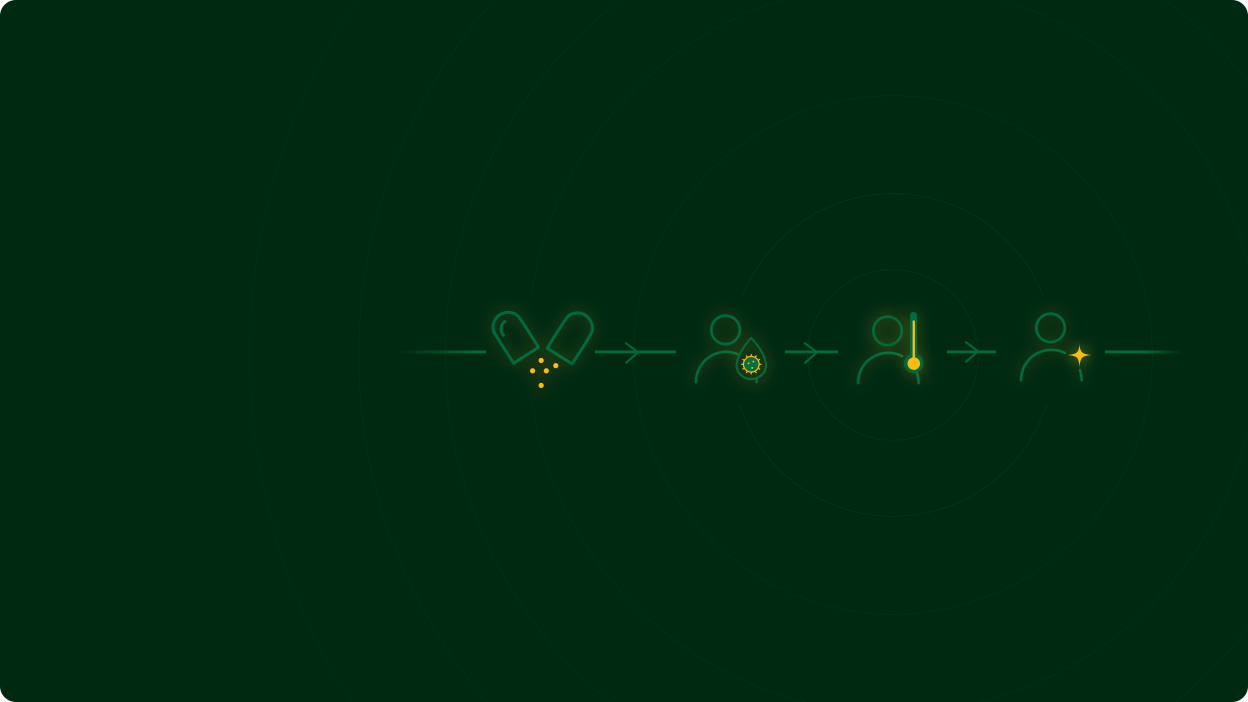
When pathogens die, they don’t go quietly. The process unfolds in a few steps:
- Microbes are destroyed: Whether an antibiotic for bacteria or an antifungal for a yeast like Candida, your medications begin to attack and kill the disease causing organisms.
- Toxins are released: As these microbes break down, they release a flood of endotoxins which are components of their cell walls. While living bacteria release these toxins at a slow, manageable rate, their rapid death causes a sudden, high concentration surge into your bloodstream. Sometimes, even the cell debris of the dead microorganisms enter the blood stream.
- The body’s cleanup crew is overwhelmed: Your liver and kidneys work overtime to filter and eliminate this rush of toxins and cellular debris. However, the toxins can accumulate faster than your body can clear them.
- The immune system responds: This flood of toxins alerts your immune system, which launches a swift inflammatory counter attack by releasing pro-inflammatory cytokines like tumor necrosis factor (TNF), interleukin-6 (IL-6), and interleukin-8 (IL-8). This systemic inflammation is what causes the signature “die-off” symptoms.
Signs to watch out for in Herxheimer reaction
Since JHR is an inflammatory response, its symptoms often mimic the very infection being treated, which is why it can be so confusing.
Common signs include:
- Flu-like symptoms: Fever, chills, muscle aches (myalgia), headache, pharyngitis, and a general feeling of malaise are classic indicators. You might experience cycles of fever followed by sweating as your body temperature returns to normal.
- Intensified symptoms: The specific symptoms of your original infection may temporarily flare up. For example, a skin infection might look more red and irritated for a short time.
- Gastrointestinal upset: Nausea, vomiting, and diarrhea can occur as your body tries to expel the toxins.
- Physiological changes: In the early phase, you might experience a temporary rise in blood pressure and hyperventilation. This can be followed by vasodilation (widening of blood vessels), which lowers blood pressure.
Most people mistake these symptoms for an allergic reaction or assume the medication is failing. Understanding them as a positive sign can prevent unnecessary worry.
A doctor’s visit becomes necessary in the case of experiencing a blackout, swelling of the face, tongue or throat, breathing difficulty, wheezing, loose stools, or uncontrollable itching and worsening of hives.
Other triggers for die-off symptoms
The Herxheimer reaction isn’t limited to prescription antimicrobials. Any significant shift that impacts your body’s microbial balance can trigger a similar response. This is particularly relevant in the context of gut health.
- Gut dysbiosis correction: Broad spectrum antibiotics can disrupt the gut microbiome by killing both harmful and beneficial bacteria, leading to dysbiosis (an imbalanced microbiome). As your body works to restore balance, the die-off of overgrown pathogenic microbes can cross a compromised intestinal barrier (or “leaky gut”), enter the bloodstream, and trigger inflammation.
- Foods with antimicrobial properties: Potent natural compounds can also initiate a die-off. Garlic, for instance, contains fructans that act as a prebiotic to feed good bacteria, but it also has powerful antimicrobial compounds like allicin and ajoene. Consuming it can help reduce pathogenic bacteria in the gut, which, as they die, can cause mild die-off symptoms.
- Switching to a low-carb diet: Your gut microbiome is heavily influenced by what you eat. Bacteria and yeast in your gut rely on carbohydrates for energy. If you’ve been consuming a high sugar or high carb diet, certain microbes may have proliferated. When you suddenly switch to a low carb or ketogenic diet, you effectively starve this population. As these sugar dependent microbes die off, they release toxins that can lead to die-off symptoms. This is your body resetting and eliminating unneeded microbial residents.
Herxheimer reactions: A sign of healing, not harm
Experiencing a worsening of symptoms right after starting a treatment can be unnerving. However, Herxheimer’s reaction is your body’s response to the sudden, successful destruction of harmful microbes. It’s a sign that you are on the path to recovery.
Understanding this process helps reduce anxiety, whether you’re taking a prescribed medication, using antimicrobial supplements, or making a significant dietary change. Die-off symptoms are a temporary – and often a positive signal that your body is actively fighting to restore balance and heal.
And if you’re still in doubt, always consult your doctor.